Swipe Right, Spend Right: What Dating Apps Are Really Doing to Your Finances in 2026
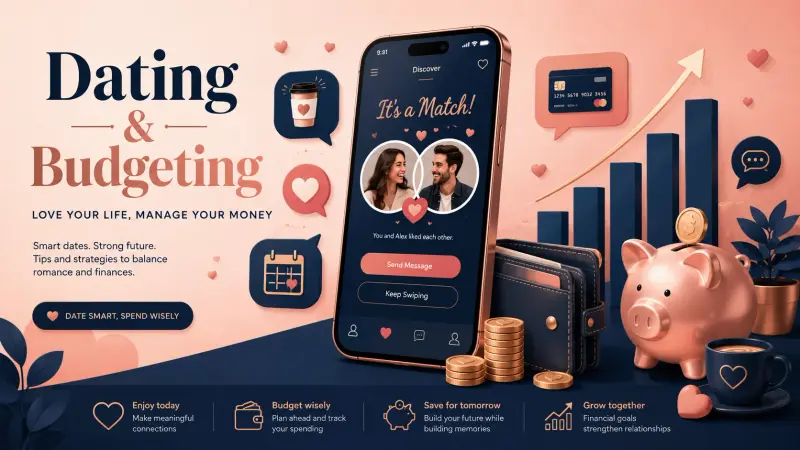
Dating apps have quietly become one of the biggest untracked budget drains for single adults in India, with the average user spending between ₹800 and ₹3,500 per month on subscriptions, first dates, and dating-related expenses before they even realise it. Whether you are on Tinder, Bumble, or Hinge, the swipe economy is designed to keep you spending — and this guide is your honest breakdown of what modern dating actually costs and how to enjoy a great love life without wrecking your savings goals. We mix smart personal finance with real dating advice, because you deserve both a healthy bank account and a fulfilling relationship.

The Real Cost of Dating Apps: Breaking Down Your Monthly Subscription Spend
Dating apps look affordable on the surface — most are free to download, and the basic version gets you through the door. But the free tier is deliberately limited: fewer daily likes, no ability to see who liked you, no boost features, no rewind on accidental left-swipes. The moment you want any real advantage in the matching algorithm, you are nudged firmly toward a paid plan. This is not accidental — it is a conversion funnel dressed in romantic language, and it works on millions of users every single month.
If you are subscribed to even two platforms simultaneously — which many active daters are — you are already spending ₹1,500 to ₹3,000 per month before a single date has taken place. Multiply that across twelve months and you have spent ₹18,000 to ₹36,000 per year purely on the privilege of swiping. That is a return flight to Goa. That is three months of a solid SIP investment. That is the emergency fund you keep saying you will build next month. The numbers deserve attention.
Psychologists call this mechanism "variable reward scheduling" — the same principle that makes slot machines addictive. You do not know when the next great match will arrive, so you keep pulling the lever and upgrading features to improve your odds. Paying for a boost or a premium tier feels rational in the moment. But the financial discipline required is the same as any other subscription: audit every 60 to 90 days, and cancel any platform that has not produced a meaningful connection in that window.
| Dating App | Premium Plan (Monthly, INR) | Key Paid Features |
|---|---|---|
| Tinder Gold | ₹1,300 – ₹1,800 | See who liked you, unlimited likes, boosts |
| Bumble Premium | ₹1,100 – ₹1,600 | Beeline, rematch, travel mode, snooze |
| Hinge Preferred | ₹1,200 – ₹1,700 | Unlimited likes, see all likes, filters |
| OkCupid Premium | ₹700 – ₹1,200 | See who liked you, ad-free, boost |
| TrulyMadly Premium | ₹500 – ₹900 | Spark credits, profile boost, filters |
| Aisle Membership | ₹800 – ₹1,400 | Unlimited connections, read receipts |
| QuackQuack Gold | ₹300 – ₹700 | Profile highlight, see visitors, chat |
First Dates and Your Budget: A Smart Spending Framework for Every Income Level
Once you match and move past the texting phase, the real spending begins. First dates are a curious financial event — you want to make a good impression, but you also do not want to blow your entire restaurant budget for the month on someone you met four days ago. The pressure to impress, combined with the anxiety of a new connection, is a reliable recipe for overspending. Setting a clear mental framework before you even suggest a venue changes the entire dynamic in your favour.
Financial advisors commonly recommend the "5 percent dating rule": allocate no more than 5 percent of your monthly take-home pay to all dating-related expenses combined — subscriptions, dates, grooming, and any dating-specific outfits included. For someone earning ₹50,000 per month net, that is ₹2,500 total. For someone earning ₹80,000, that is ₹4,000. It sounds limiting at first, but it forces creativity — and creative, thoughtful dates are consistently rated more memorable than expensive ones by both men and women across all age groups.
The venue choice matters more than the spend. A well-chosen café date with good coffee and genuine conversation costs ₹400 to ₹600 and creates far more connection than a ₹3,000 dinner where you are both performing for each other across a stiff restaurant table. Save the higher-spend experiences for dates three, four, and five — when you actually know whether this person is worth the investment of your time and money.

| Date Type | Estimated Cost (INR) | Best For |
|---|---|---|
| Coffee or chai date | ₹300 – ₹600 | First meeting, low pressure |
| Casual lunch | ₹600 – ₹1,200 | Second or third date |
| Museum or gallery visit | ₹200 – ₹500 | Cultural interest, conversation starter |
| Evening dinner restaurant | ₹1,500 – ₹3,500 | Later dates, established connection |
| Movie and snacks | ₹800 – ₹1,500 | Relaxed second or third date |
| Cooking class or workshop | ₹1,000 – ₹2,000 | Fun, memorable, shared experience |
| Weekend trip (shared cost) | ₹3,000 – ₹8,000 each | Established relationship, split fairly |
When Dating Becomes a Financial Red Flag: Protect Your Money and Your Heart
Modern dating has introduced a financial risk that previous generations simply did not face: the monetised relationship. Not everyone on a dating app is looking for love — some people are looking for free meals, paid experiences, or in more serious cases, targets for romance fraud. The Indian Cyber Crime Coordination Centre reported a significant and growing number of romance scam cases through dating platforms in 2024 and 2025, with victims losing anywhere from ₹10,000 to several lakhs before realising they had been deceived. Financial awareness is now a genuine part of dating safety.
Beyond outright scams, there are subtler financial dynamics worth understanding. Some people consistently choose expensive venues and expect the other person to pay without any discussion. Others escalate the relationship's emotional intensity quickly while steering conversations toward gifts, money transfers, or investment opportunities. These patterns are worth recognising early — protecting your finances and protecting your emotional wellbeing are exercises in the same critical thinking.
The healthiest financial dynamic in a new relationship is one where both people feel comfortable discussing money honestly. Who pays on the first date is far less important than whether both people approach dating expenses as a shared, conscious decision rather than an unspoken competition or a one-sided expectation. Starting that honesty early sets the tone for everything that follows.
- Audit your subscriptions every 60 to 90 days — cancel any dating app that has not produced a meaningful connection in that window; there is no sunk cost worth protecting.
- Set a monthly dating budget — treat it like any other spending category; when the budget is spent, the budget is spent, regardless of how exciting a new match feels.
- Start with low-cost first dates — coffee, walks, and casual lunches reveal compatibility just as effectively as expensive dinners at a fraction of the cost.
- Never send money to someone you have not met in person — regardless of how strong the emotional connection feels online, this is the single most reliable rule for avoiding romance fraud.
- Discuss who pays before the date, not during it — a simple "let's split it" or "I'll get this one" message before you meet removes the awkward end-of-meal moment entirely.
- Watch for early financial pressure — requests for gifts, loans, investments, or expensive trips early in a new connection are warning signs regardless of how romantic the framing sounds.
- Track your total monthly dating spend — most people significantly underestimate this number until they add up subscriptions, transport, outfits, and dates in one place.
| Monthly Income (INR) | Recommended Dating Budget (5%) | Suggested Breakdown |
|---|---|---|
| ₹25,000 | ₹1,250 | 1 app (₹700) + 1 date (₹550) |
| ₹40,000 | ₹2,000 | 1 app (₹800) + 2 dates (₹1,200) |
| ₹60,000 | ₹3,000 | 2 apps (₹1,500) + 2–3 dates (₹1,500) |
| ₹80,000 | ₹4,000 | 2 apps (₹1,800) + 3 dates (₹2,200) |
| ₹1,00,000 | ₹5,000 | 2 apps (₹2,000) + 3–4 dates (₹3,000) |
| ₹1,50,000 | ₹7,500 | 2 apps (₹2,500) + varied dates (₹5,000) |
| ₹2,00,000+ | ₹10,000 | 2–3 apps + premium dating experiences |
Frequently Asked Questions
Q: How much should I actually budget for dating apps and dates every month?
A widely recommended guideline is to spend no more than 5 percent of your monthly net take-home pay on all dating-related expenses combined — this includes app subscriptions, date costs, transport, and any dating-specific purchases. For someone earning ₹50,000 per month, that means a total dating budget of ₹2,500. Tracking this number in a simple notes app or budgeting spreadsheet for even one month usually reveals spending patterns that surprise most people.
Q: Are dating app subscriptions actually worth paying for?
Paid plans genuinely improve visibility and matching rates on most major platforms — but only if you are actively using the app, your profile is well-optimised, and you are in a city with a reasonable user base. The mistake most people make is subscribing on autopilot and renewing without reviewing results. Treat each subscription as a 60-day trial: if it has not produced at least one meaningful conversation or date in that window, cancel and either try a different platform or take a break entirely.
Q: How do I split dating expenses fairly without making it awkward?
The simplest approach is to agree on the split before the date rather than during it — a message like "let's split the bill" or "I'll get coffee, you get the next one" removes the end-of-meal tension entirely. Research consistently shows that most people, regardless of gender, appreciate a fair and relaxed approach to dating expenses far more than a performatively generous one. The conversation about money is also a quiet signal of how honestly and practically both people will handle finances as the relationship develops.
Q: What are the biggest financial red flags to watch for in a new dating connection?
The clearest red flags are requests for money, gifts, or financial help before you have met in person; suggestions about investment opportunities or cryptocurrency schemes introduced early in the connection; consistent pressure to choose expensive venues with an expectation that you will pay; and avoidance of video calls or in-person meetings despite intense online communication. Romance fraud cases through Indian dating apps rose sharply in 2024 and 2025 — trust your instincts if a connection feels financially pressured at any stage.
Conclusion
Dating in the app era is genuinely exciting — it has expanded who we can meet, how quickly connections form, and what kind of relationships are possible — but it has also quietly inserted itself into our monthly budgets in ways that deserve the same attention we give any other spending category. Audit your subscriptions regularly, set a monthly dating budget that reflects your actual income, choose first dates for connection rather than cost, and never let the excitement of a new match override your financial common sense. Swipe right on love — and on your savings goals too, because the best relationships are built on honesty, and that starts with being honest with yourself about money.